

Health and medicine are undergoing a revolutionary transformation. New scientific discoveries, digital technologies, and personalized treatment approaches are shifting the way diseases are prevented, diagnosed, and treated. No longer is healthcare focused solely on treating illness — today’s goal is to optimize overall well-being, enhance patient experience, and improve quality of life. As the world continues to evolve, modern medicine is becoming more connected, proactive, and precise.
From Reactive to Preventive Care
For generations, healthcare systems were built on a treatment-based model: patients seek help only when symptoms become serious. However, the medical field is shifting toward prevention. Early detection and proactive intervention reduce the burden of chronic diseases — conditions such as diabetes, hypertension, and heart disease that affect millions worldwide.
Preventive care includes:
-
Regular screenings and checkups
-
Vaccination programs
-
Lifestyle coaching focused on diet, exercise, and stress reduction
-
Public health education and awareness campaigns
Wearable health devices now allow individuals to track their heart rate, sleep patterns, oxygen levels, and even detect early irregularities. With this real-time information, patients take a more active role in maintaining their health, and doctors gain valuable insight before problems escalate.
The Rise of Telemedicine
Telemedicine has transformed access to healthcare. Virtual consultations allow patients to connect with physicians from home, reducing travel and waiting room exposure — particularly beneficial for the elderly, those with limited mobility, or people in remote areas.
Benefits include:
-
Faster access to medical advice
-
Convenient follow-ups without clinic visits
-
Reduced strain on healthcare facilities
-
Better management of chronic conditions
Telehealth also plays a crucial role in mental health support, enabling counseling and therapy through secure video platforms. Digital communication is expanding healthcare boundaries and making care more personalized and flexible.

Medical Technology: A New Era of Precision
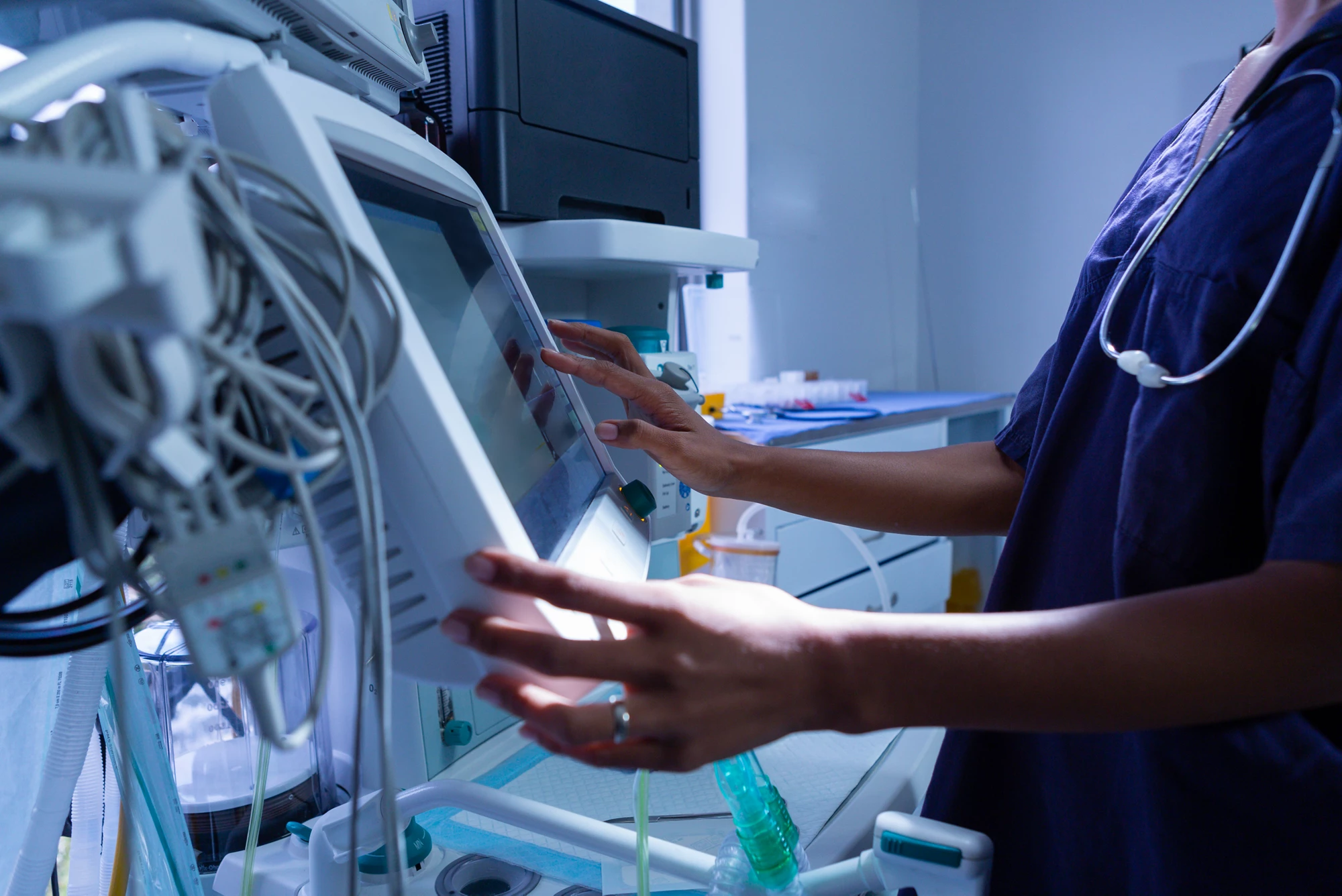
One of the most significant advances in medicine is the integration of artificial intelligence (AI) and machine learning. These technologies help physicians interpret diagnostics faster and more accurately than ever before.
AI is currently being used to:
-
Analyze MRI and CT scans for early tumor detection
-
Predict disease risk based on lifestyle and genetics
-
Assist in drug discovery and vaccine development
-
Monitor patients in hospitals for rapid response to emergencies
Robotic surgery is another innovation improving patient outcomes. Robots provide greater precision in delicate procedures, resulting in smaller incisions, less pain, and faster recovery. Technology is not replacing doctors — instead, it enhances human expertise.
Personalized Medicine: Targeting the Individual
Traditional medicine often applies a “one-size-fits-all” approach, but people respond differently to treatments depending on genetics, environment, and lifestyle. Personalized or precision medicine customizes care to each patient’s biology.
A key advancement is genomic medicine — studying a patient’s DNA to understand their health risks and treatment responses. For example:
-
Genetic testing identifies cancers that respond better to specific drugs.
-
Pharmacogenomics determines the safest and most effective medication for individuals.
-
Rare inherited diseases can be diagnosed earlier through genome sequencing.
Personalized medicine enhances treatment success rates while minimizing side effects, representing a major step forward in patient-centered care.
Breakthroughs in Biotechnology
Biotechnology is rapidly accelerating medical progress. Fields like stem cell therapy, regenerative medicine, and cellular immunotherapy are changing the future of disease treatment.
Examples include:
-
CAR-T cell therapy, which engineers a patient’s own immune cells to fight cancer
-
Regenerative tissue engineering, helping repair organs and heal severe injuries
-
Advanced prosthetics controlled by nerve signals, restoring mobility and independence
Research continues to explore new ways to replace damaged tissues, cure genetic disorders, and combat diseases once considered untreatable.
Mental Health in Focus
For decades, mental health conditions were stigmatized and overlooked. Today, healthcare acknowledges that emotional well-being is just as important as physical health.
Investment in mental healthcare has increased through:
-
Expanded therapy and support services
-
Integration of mental health screenings into routine care
-
Workplace wellness programs
-
Wider access through digital mental health platforms
Researchers are exploring innovative treatments for depression, anxiety, and neurodegenerative diseases such as Alzheimer’s. Understanding the connection between the brain, body, and lifestyle has become essential in promoting full-spectrum health.
Public Health and Global Preparedness
Recent global health challenges highlight the importance of strong public health systems. Collaboration among scientists, governments, and medical institutions leads to faster responses and better protection of communities.
Key healthcare priorities now include:
-
Strengthening disease surveillance
-
Ensuring equitable access to medical care and vaccines
-
Improving supply chains for medical equipment
-
Educating the public about nutrition, hygiene, and safe practices
Preparedness not only saves lives but also protects economies and overall societal well-being.
Ethics and Accessibility in Modern Medicine
Medical breakthroughs must be accompanied by responsible implementation. Ethical considerations ensure that innovation benefits everyone — not just those who can afford it.
Healthcare challenges include:
-
High treatment costs limiting accessibility
-
Unequal care between regions and income levels
-
Data privacy concerns in digital medicine
-
Balancing human judgment with AI-driven decisions
To move forward responsibly, healthcare systems must uphold fairness, transparency, and respect for patient rights.
The Future of Healthcare: What to Expect
In the coming decades, medicine will become even more intelligent, interconnected, and personalized. Some likely developments include:
-
Smart hospitals using automation and real-time analytics
-
Expanded home-based care supported by remote monitoring devices
-
Universal health platforms integrating patient data for seamless treatment
-
Increased focus on longevity, healthy aging, and lifestyle medicine
-
New vaccines and therapies for chronic and rare diseases
The ultimate vision is a world where health challenges are detected early, treated confidently, and prevented whenever possible.
Conclusion
The field of health and medicine is evolving faster than ever. Technology, innovation, and a deeper understanding of human biology are driving improvements that benefit patients worldwide. Care is shifting from reactive to preventive, from generalized to personalized, and from isolated treatment to holistic support.
These advancements not only extend life — they improve how we live. When science, compassion, and creativity work together, the future of healthcare becomes brighter, healthier, and more hopeful for all.
Leave a Reply